
- home
- About
About HengXin

- Product
Product Center
- Image transmission antenna
- Flight control antenna
- FPV high gain antenna
- Fiberglass antenna
- rod antenna
- vehicle antenna
- spring antenna
- TV antenna
- Yagi antenna
- Car positioning antenna
- Magnetic suction cup antenna
- Base station antenna
- telescopic antenna
- radar antenna
- built-in antenna
- RF connector
- RF wiring
- Copper tube antenna
- satellite antenna
- Unmanned intelligent agent
- Download
- solution
solution

- News
 nogps@nogps.com
-
Trending searches:Antenna connector | RF connector | Antenna adapter cable | Terminal wire | terminal connecting wire
-



- Product

4News -> Company

2026
-
05
-
08
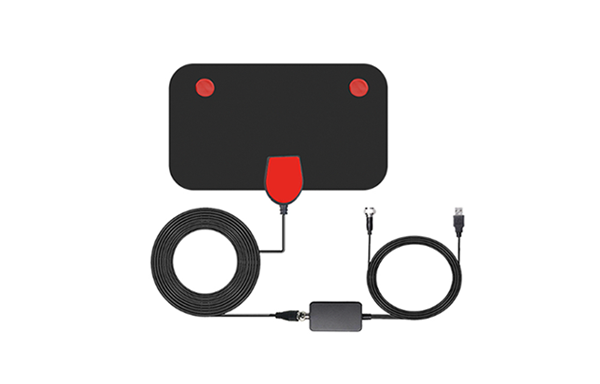
Common problems with TV antennas: Solutions for weak or no signal. Many households often encounter the problem of weak or completely no signal when using TV antennas, which leads to the inability to watch TV programs normally. This problem is usually caused by the following reasons and can be solved through targeted adjustments: 1. The position and direction of the antenna affect the signal receiving antenna placement, which is a key factor affecting signal strength. If the antenna is close to metal objects (such as refrigerators, radiators), large appliances (microwave ovens, air conditioners), or obstructed by high-rise buildings, the signal will be severely interfered with. Suggest moving the antenna to an open location such as a window, balcony, or roof, and using a compass to adjust the sky
2026
-
05
-
08
TV antenna issue: The causes and repair of snowflakes, stripes, or ghosting in TV images are common problems for antenna users. These issues are usually related to signal interference, device aging, or environmental factors, and can be investigated and repaired through the following methods: 1. Electromagnetic interference causing signal distortion. Household appliances (such as wireless routers, microwave ovens, fluorescent lamps) or electronic devices (such as mobile phones, Bluetooth speakers) may generate electromagnetic interference, affecting antenna signals. Try turning off nearby appliances and observe if the screen improves. If the problem disappears, the antenna should be moved away from the interference source or a coaxial cable with better shielding performance should be used. In addition, avoid
2026
-
05
-
08
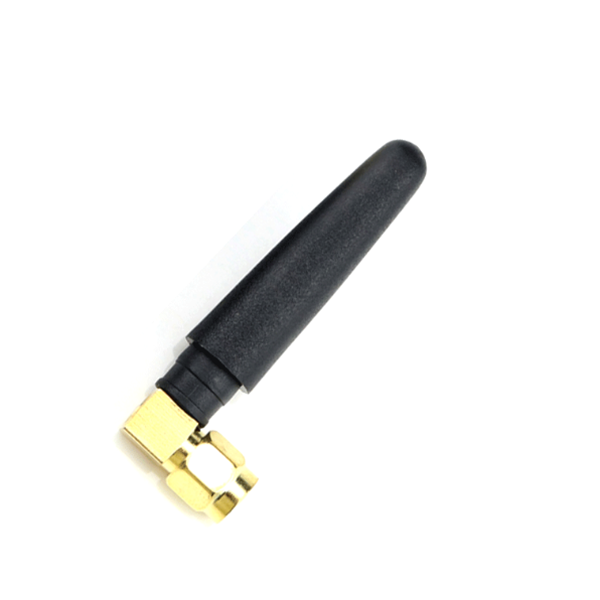
Technological iteration drives upgrading, and rod antennas are moving towards a new cycle of high frequency and integration. Driven by the rapid iteration of global communication technology and the continuous upgrading of downstream application demands, the rod antenna industry is entering a critical development period of technological leap and product upgrade. As a core foundational component in fields such as communication, the Internet of Things, and automotive electronics, rod antennas have long held an important market position due to their advantages of simple structure, convenient installation, and controllable cost. Currently, the industry is accelerating breakthroughs around the three core directions of high-frequency, miniaturization, and integration, driving the industry into a new cycle of high-quality development. Comprehensive deployment of 5G network and promotion of 6G technology pre research
2026
-
05
-
08
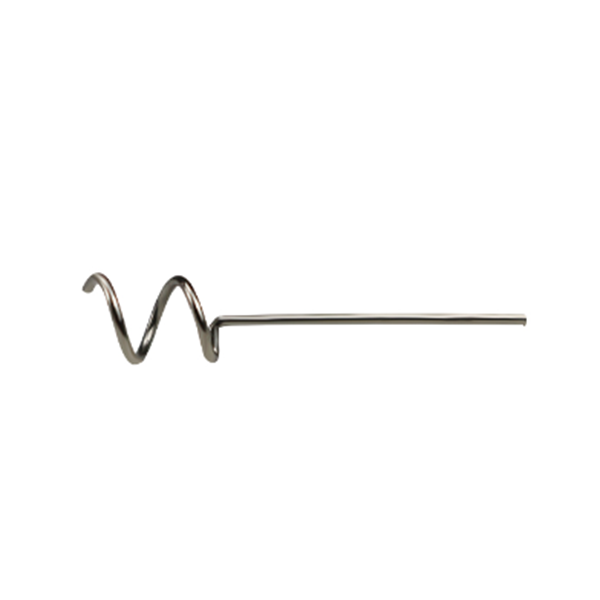
The lightweight and efficient communication application of spring antennas in IoT devices. With the development of IoT devices towards miniaturization and low power consumption, traditional rigid antennas are gradually unable to meet the demand due to their large size and high cost. Spring antennas, with their advantages of flexible structure, low cost, and easy integration, are becoming the core communication components in fields such as smart wearables, environmental monitoring, and industrial sensors, driving the evolution of IoT devices towards greater portability and efficiency. The 'invisible communication messenger' of smart wearable devices is invaluable in wearable devices such as smartwatches and health monitoring wristbands. The spring antenna is designed with spiral winding,
2026
-
05
-
08
Analysis of common problems in the installation of suction cup antennas: How to avoid the risk of signal attenuation and detachment? Suction cup antennas are widely used in vehicle communication, outdoor monitoring, and temporary communication scenarios due to their convenient installation and strong mobility. However, users often encounter problems such as unstable signals and antenna detachment in practical use. This article analyzes the common problems and solutions of suction cup antennas from three aspects: installation environment, operation specifications, and maintenance points. Problem 1: Metal surface interference causes signal attenuation. The signal transmission of suction cup antennas relies on the tight contact between the bottom metal disk and the mounting surface. If the installation surface is made of metal material (such as the roof or equipment casing), it may be affected by electromagnetic shielding
Total:5
Total Pages:1 |
Page1
9First Page
7Previous
Next8
Last Page:
Jump
-
about
Company Profile Corporate culture Corporate Image production workshop Honors Video -
Product
Image transmission antenna Flight control antenna FPV high gain antenna Fiberglass antenna rod antenna vehicle antenna spring antenna TV antenna Yagi antenna View more>> -
solution
FPV antenna Intelligent PDA Wireless POS machine Smart home GPS Positioning system Smart grid View more>> -
News
Company News Industry News Questions -
Contact
Contact Information
Scan to follow
 Add WeChat
Add WeChat
Contact Information+86 0769-8166 3533
Dongguan HengXin Electronic Technology Co., Ltd 【Admin】
