
- home
- About
About HengXin

- Product
Product Center
- Image transmission antenna
- Flight control antenna
- FPV high gain antenna
- Fiberglass antenna
- rod antenna
- vehicle antenna
- spring antenna
- TV antenna
- Yagi antenna
- Car positioning antenna
- Magnetic suction cup antenna
- Base station antenna
- telescopic antenna
- radar antenna
- built-in antenna
- RF connector
- RF wiring
- Copper tube antenna
- satellite antenna
- Unmanned intelligent agent
- Download
- solution
solution

- News
 nogps@nogps.com
-
Trending searches:Antenna connector | RF connector | Antenna adapter cable | Terminal wire | terminal connecting wire
-
- Product

4News -> Questions
2026
-
05
-
08
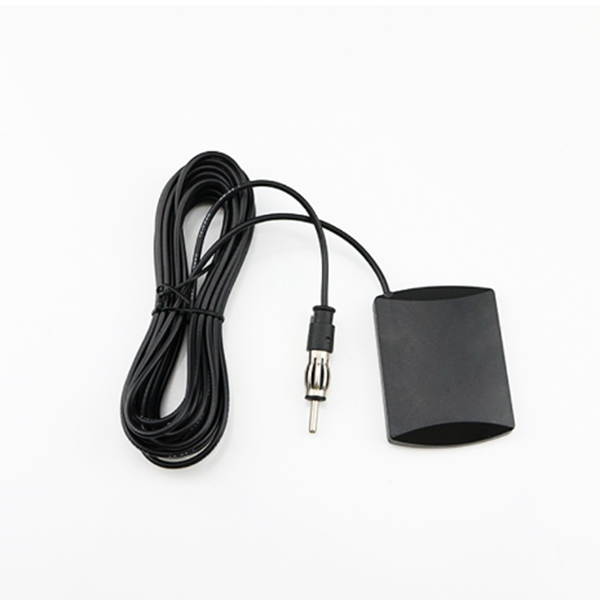
Trend in the automotive antenna industry: Material innovation and lightweight design have become mainstream. Against the backdrop of rapid development of new energy vehicles and intelligent vehicles, the automotive antenna industry is balancing performance improvement and lightweight requirements through material innovation and structural optimization to adapt to the overall trend of electrification and intelligent transformation in the automotive industry. High performance composite materials replace traditional metals. Traditional car antennas often use metal materials such as copper and aluminum, which have excellent conductivity but are heavy and prone to corrosion. In recent years, the industry has widely introduced composite materials such as carbon fiber and glass fiber reinforced plastic (GFRP), which achieve "lightweight+high performance" by coating metal on the surface of lightweight substrates
2026
-
05
-
08
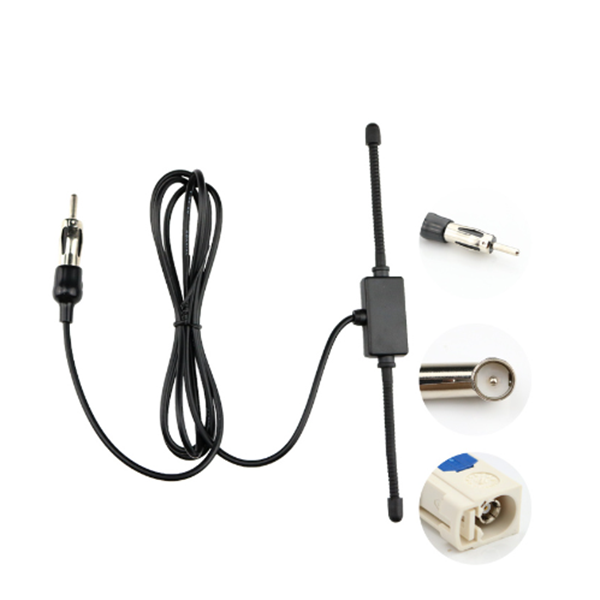
Trend in the car antenna industry: 5G and intelligent networking drive technological innovation. With the accelerated popularization of 5G networks and the increasing penetration rate of intelligent connected vehicles, the car antenna industry is undergoing a transformation from a single communication function to a multi band, integrated, and intelligent direction. This change not only reshapes antenna design standards, but also gives rise to new market demands and competitive patterns. The demand for 5G millimeter wave antennas has surged, and the high-speed and low latency characteristics of 5G networks have raised higher requirements for vehicle mounted antennas. The millimeter wave frequency band (24GHz-52GHz) has become the core carrier of V2X communication due to its large bandwidth advantage. However, millimeter wave signals penetrate
2026
-
05
-
08
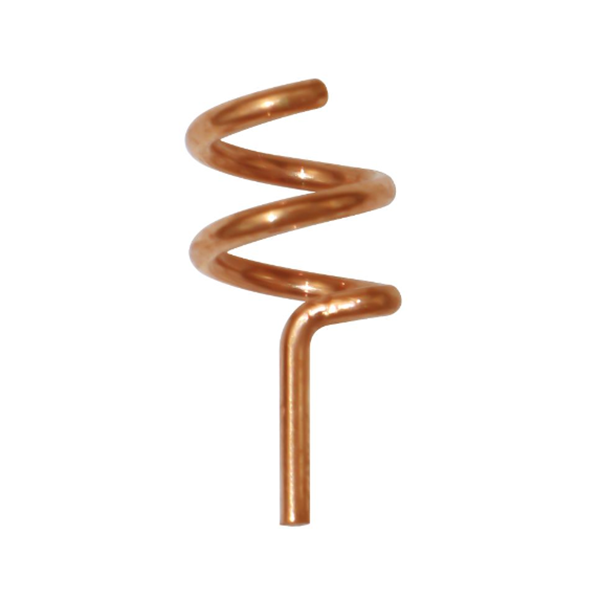
The anti vibration and multi band integrated application of spring antennas in the field of automotive electronics requires extremely high reliability and environmental adaptability of antennas in automotive electronic systems. Spring antennas, with their elastic structure, multi band compatibility, and low-cost characteristics, are gradually replacing traditional rod or patch antennas and are widely used in fields such as car keys, tire pressure monitoring systems (TPMS), and in car entertainment systems, becoming an important support for the intelligent transformation of automobiles. The "ultra long distance communication engine" of the car key. Modern car keys need to support keyless entry, remote start and other functions, and the communication distance needs to cover more than 50 meters. Spring antenna optimizes spiral parameters (such as coils)
2026
-
05
-
08
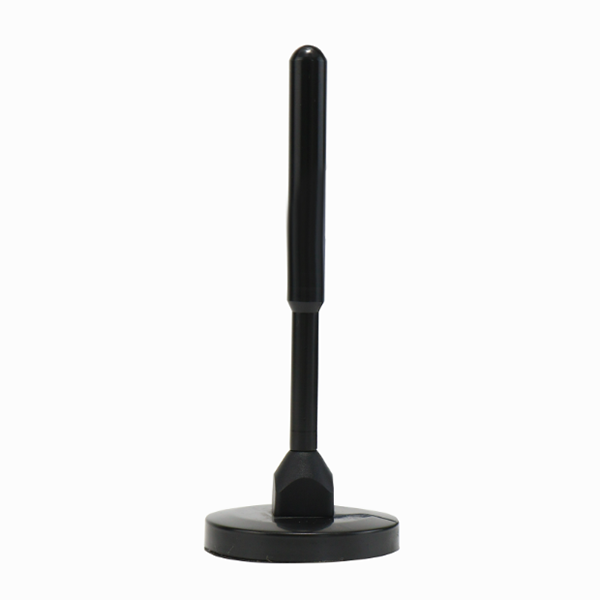
Frequency band matching and environmental adaptability of suction cup antennas: common misconceptions in high-frequency use. Suction cup antennas support multi band communication, but users often experience a decrease in communication quality due to frequency band misselection or insufficient environmental adaptability. This article combines high-frequency usage scenarios (such as car 4G/5G, outdoor Wi Fi) to analyze three common issues: frequency band matching, gain selection, and environmental interference. Misconception 1: Communication failure caused by mismatched frequency bands. Suction cup antennas need to be completely compatible with the frequency bands supported by the device in order to function properly. For example, a user used a suction cup antenna that only supports 2.4GHz on a 5GHz Wi Fi router, but was unable to search for a signal
2026
-
05
-
08
The synergy of the industrial chain and the acceleration of localization have reshaped the competitive landscape of the rod antenna industry. Under the multiple influences of policy support, increased demand for independent and controllable industrial chains, and global industrial pattern adjustments, the rod antenna industry is accelerating the coordinated development of the industrial chain and domestic substitution. The industrial ecology continues to improve, and the competitive landscape is gradually optimizing. Three major industrial clusters, namely the Yangtze River Delta, Pearl River Delta, and Beijing Tianjin Hebei, have formed domestically, occupying over 60% of the domestic market share with a well-established electronic manufacturing foundation. The localization process of upstream core materials has significantly accelerated, with technological breakthroughs achieved in high-end magnetic materials and mid to low end RF chips, gradually replacing imported products and effectively reducing costs
Total:6
Total Pages:2 |
Page1
9First Page
7Previous
Next8
Last Page:
Jump
-
about
Company Profile Corporate culture Corporate Image production workshop Honors Video -
Product
Image transmission antenna Flight control antenna FPV high gain antenna Fiberglass antenna rod antenna vehicle antenna spring antenna TV antenna Yagi antenna View more>> -
solution
FPV antenna Intelligent PDA Wireless POS machine Smart home GPS Positioning system Smart grid View more>> -
News
Company News Industry News Questions -
Contact
Contact Information
Scan to follow
 Add WeChat
Add WeChat
Contact Information+86 0769-8166 3533
Dongguan HengXin Electronic Technology Co., Ltd 【Admin】
