
- home
- About
About HengXin

- Product
Product Center
- Image transmission antenna
- Flight control antenna
- FPV high gain antenna
- Fiberglass antenna
- rod antenna
- vehicle antenna
- spring antenna
- TV antenna
- Yagi antenna
- Car positioning antenna
- Magnetic suction cup antenna
- Base station antenna
- telescopic antenna
- radar antenna
- built-in antenna
- RF connector
- RF wiring
- Copper tube antenna
- satellite antenna
- Unmanned intelligent agent
- Download
- solution
solution

- News
 nogps@nogps.com
-
Trending searches:Antenna connector | RF connector | Antenna adapter cable | Terminal wire | terminal connecting wire
-


- Product

4News
2026
-
05
-
08
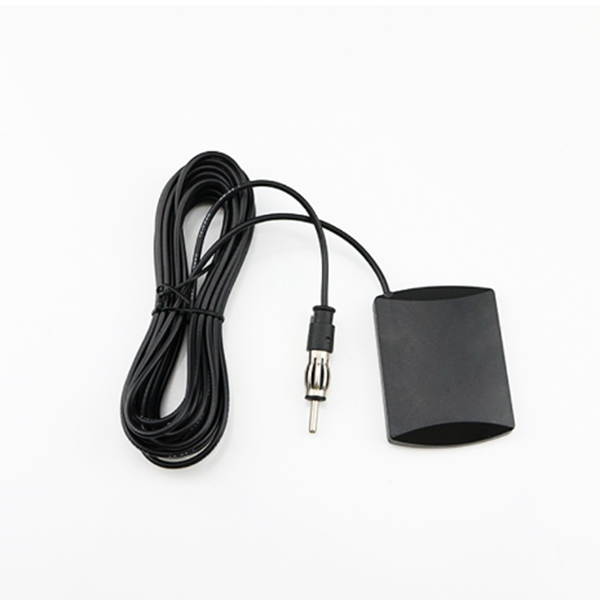
Trend in the Automotive Antenna Industry: Vehicle to Road Collaboration and V2X Technology Reshape the Market Landscape. As V2I and V2X technologies move from concept to implementation, automotive antennas, as the core component connecting vehicles and infrastructure, are evolving from a single communication function to supporting multi-mode interaction and high reliability transmission, becoming a key infrastructure for intelligent transportation systems. The demand for V2X dedicated antennas has exploded. V2X technology requires vehicles to achieve low latency and high reliability communication with road facilities (such as traffic lights and roadside units), which traditional vehicle mounted antennas cannot meet. The industry is developing dedicated V2X antennas to optimize radiation
2026
-
05
-
08
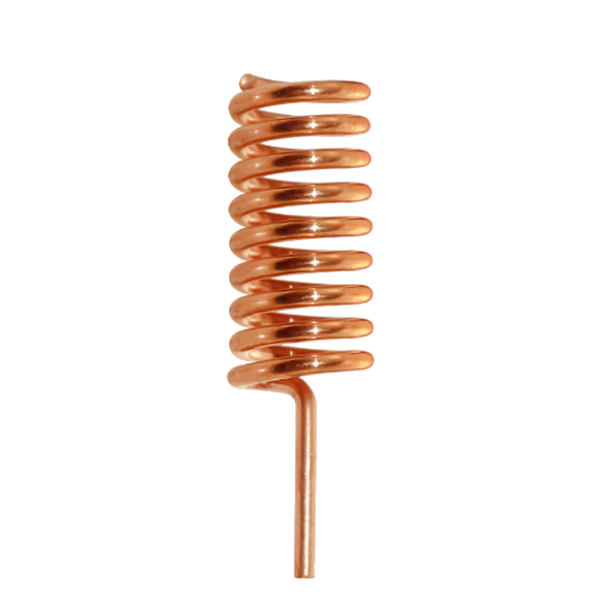
The biocompatibility and miniaturization breakthroughs of spring antennas in the field of medical electronics have put forward strict requirements for the safety, size, and signal penetration of antennas in medical electronic devices. Spring antennas are gradually being applied to implantable medical devices, wearable health monitoring devices, and remote medical terminals through material upgrades (such as biocompatible coatings), structural miniaturization (such as nanohelices), and frequency band optimization, providing technical support for precision medicine and personalized health management. Implantable devices such as pacemakers and nerve stimulators, known as "secure communication bridges," need to communicate with external controllers through antennas while avoiding stimulation of human tissues. play
2026
-
05
-
08
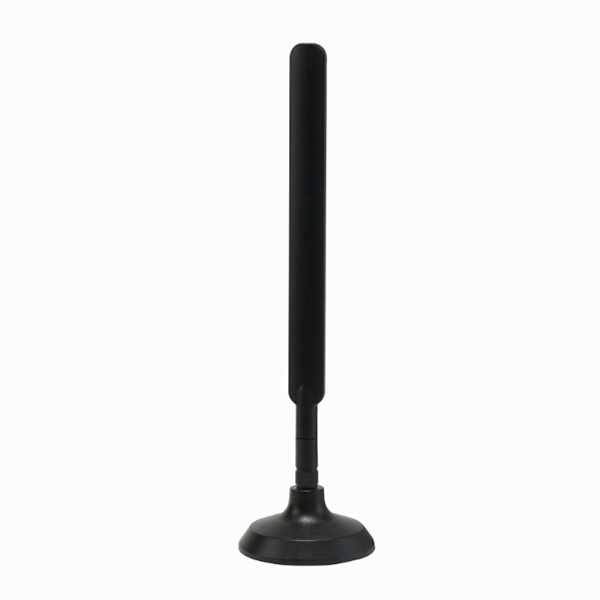
Maintenance and troubleshooting of suction cup antenna: The key step to extending its service life. Although suction cup antenna has a simple structure, it is prone to malfunction due to dust accumulation, component aging, or improper operation after long-term use. This article provides users with a systematic maintenance guide from three aspects: daily maintenance, fault symptoms, and solutions. Daily maintenance: Cleaning and inspection are the key points of maintenance for the suction surface and cable joints of the core suction cup antenna. It is recommended to clean the dust on the adsorption surface with a soft bristled brush every month and avoid using chemical cleaning agents (which may corrode the rubber); Check the cable sheath for cracks and oxidation at the joints every quarter. For example, a user did not regularly clean the adsorption surface, resulting in
2026
-
05
-
08
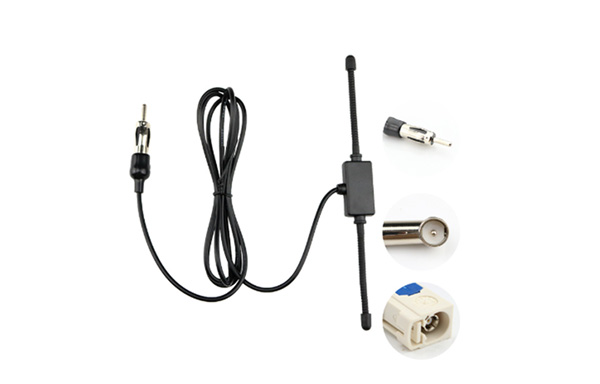
Trend in the automotive antenna industry: Material innovation and lightweight design have become mainstream. Against the backdrop of rapid development of new energy vehicles and intelligent vehicles, the automotive antenna industry is balancing performance improvement and lightweight requirements through material innovation and structural optimization to adapt to the overall trend of electrification and intelligent transformation in the automotive industry. High performance composite materials replace traditional metals. Traditional car antennas often use metal materials such as copper and aluminum, which have excellent conductivity but are heavy and prone to corrosion. In recent years, the industry has widely introduced composite materials such as carbon fiber and glass fiber reinforced plastic (GFRP), which achieve "lightweight+high performance" by coating metal on the surface of lightweight substrates
-
about
Company Profile Corporate culture Corporate Image production workshop Honors Video -
Product
Image transmission antenna Flight control antenna FPV high gain antenna Fiberglass antenna rod antenna vehicle antenna spring antenna TV antenna Yagi antenna View more>> -
solution
FPV antenna Intelligent PDA Wireless POS machine Smart home GPS Positioning system Smart grid View more>> -
News
Company News Industry News Questions -
Contact
Contact Information
Scan to follow
 Add WeChat
Add WeChat
Contact Information+86 0769-8166 3533
Dongguan HengXin Electronic Technology Co., Ltd 【Admin】
